Dental Checkups in Charlotte

Life in Charlotte moves fast. It’s easy to let that dental exam slide while you’re managing your commute from Uptown to the suburbs, taking the kids to the Whitewater Center on the weekends, or dealing with a busy day on I-77. But as the saying goes, it’s the little things that add up. That appointment you skipped might result in significant dental problems and a big bill to pay.

Here’s What Happens in Your Exam

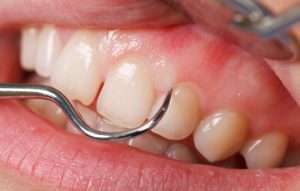
Dental exams have two parts: the cleaning and the exam. The cleaning involves removing tartar buildup from your teeth along the gumline and in between teeth that your brushing and flossing might have missed. If plaque is not removed, it quickly turns to tartar within 48 hours, and it cannot be removed through at-home care. The only thing you can do is have it professionally scaled.

The exam happens after your cleaning. Your dentist will screen you for oral cancer, look for any new cavities, and evaluate the health of your gums, crowns, and fillings. X-rays may also be taken once or twice a year to detect tooth decay in between teeth, and other issues that lie under the gumline, such as bone loss, abscesses, and impacted wisdom teeth that are not easily seen visually.

The whole process takes between 45 minutes to an hour. Twice a year. That’s only two hours each year to take care of the teeth you want to use for the next 20-40 years. Check out Dr. Tang at https://promenade-dentist.com

The Cost of Waiting

Here is the math that most don’t know. A general cleaning and exam in Charlotte runs between $150 and $300 without insurance and is usually 100 percent covered by dental insurance. A simple filling to treat a small cavity may cost $150-$350.

But if you choose not to get that small filling now and ignore that cavity for another 18 months, you may need a root canal and crown that will cost $2,000-$3,000 and take multiple appointments and cause a lot of pain. Wait that much longer and it may cost $4,000+ for extraction and an implant.

Here is the trend: Small problems are easy and affordable when detected early. The same small problems are expensive and painful when they are detected later. That is exactly why you should have regular dental exams to catch these problems early and treat them simply and economically.

The Silent One: Gum Disease

Cavities announce their presence. Usually, gum disease does not, until it is pretty advanced. About half of Americans over age 30 are unaware that they have periodontal (gum) disease. It may present as bad breath from time to time or a bit of redness or bleeding after flossing, signs people tend to ignore. If left alone, it can progress to periodontitis, when the infection starts destroying the bone holding teeth in place. That bone is never going to grow back.

Your hygienist will measure the pockets around every tooth at every visit to see how that’s changed. This is the most reliable way to detect periodontal disease while it’s still easily treated, but it involves taking a lot of repetitive measurements.

Also, there’s increasing evidence that chronic gum inflammation contributes to complications in pregnancy, diabetes, and heart disease. The mouth is not an isolated system.

Finding the right Charlotte practice

Charlotte has a lot of dentists, and that can be a good thing or a bad thing. A few things to keep in mind:

  1. Where it is. If you’d be taking the afternoon off anyway, a practice near your SouthPark or Uptown office could be more convenient than one near your home. Whether you’ll go depends on it being convenient.
  2. Payment and insurance. Check to see if a practice is in-network before you book. If you don’t have insurance, ask about a membership plan. Many Charlotte practices now offer annual memberships that include cleanings, exams and x-rays for a flat fee, typically $300-500.
  3. Technology and approach. Digital x-rays emit much less radiation than films. Intraoral cameras help you to see what your dentist is showing you as he or she explains your treatment options.
  4. How they handle recommendations. A good dentist will explain what can be postponed, what is a choice and what must be done now. A practice that makes every finding an emergency requiring immediate, pricey treatment is one to avoid.

How to make it stick

The hard part is not understanding why checkups matter. It’s remembering to schedule them.

The easiest way is to book your next appointment before you walk out of the office. It’s six months on the calendar. You can also opt into e-mail and text reminders from most practices. And if you’re scheduling appointments for your family, try to get multiple people in the same office on the same day, so you’re not making separate trips.

Two visits a year. Two hours total. It’s still one of the best long-term health investments you can make, and one of the few where waiting until something hurts is consistently worse and more expensive than acting now.

The Importance of Dental Hygiene: A Guide to a Healthy Smile

Dental hygiene is the cornerstone of maintaining a healthy mouth, teeth, and gums. It involves daily practices and professional care that prevent oral health issues, including cavities, gum disease, and bad breath. Good dental hygiene not only ensures a bright smile but also contributes to overall health, as oral health is closely linked to conditions such as heart disease and diabetes.

The foundation of dental hygiene begins with proper brushing and flossing. Brushing your teeth twice a day with fluoride toothpaste removes plaque, a sticky film of bacteria that can lead to tooth decay and gum disease. A soft-bristled toothbrush is recommended to avoid damaging tooth enamel and gums. Replacing your toothbrush every three to four months, or sooner if the bristles are frayed, ensures effective cleaning. Flossing daily complements brushing by removing food particles and plaque between teeth and along the gumline, areas a toothbrush cannot reach.

Mouthwash is another valuable addition to a dental hygiene routine. Antibacterial mouthwashes help reduce plaque and fight bad breath, while fluoride rinses strengthen enamel and provide additional protection against cavities. However, mouthwash should not replace brushing and flossing but serve as a supplemental measure.

Diet plays a crucial role in maintaining oral health. Limiting sugary foods and beverages reduces the risk of cavities, as sugar feeds the bacteria in plaque. Instead, focus on a balanced diet rich in fruits, vegetables, whole grains, lean proteins, and dairy products, which provide the nutrients needed for strong teeth and gums. Drinking water throughout the day, especially fluoridated water, helps rinse away food particles and maintain a healthy mouth.

Regular dental checkups and cleanings are essential to dental hygiene. Dentists can detect early signs of problems like cavities, gum disease, or oral cancer that may not be visible or noticeable at home. Professional cleanings remove hardened plaque, known as tartar, which cannot be removed through brushing and flossing alone. These visits also allow your dentist to provide personalized advice for improving your oral care routine. Get your routine at https://matthewwimmerdmd.com

Taking care of your gums is just as important as caring for your teeth. Healthy gums are firm, pink, and free of swelling or bleeding. Gingivitis, the early stage of gum disease, is often caused by poor dental hygiene and is characterized by red, swollen, or bleeding gums. If left untreated, it can progress to periodontitis, a more severe form of gum disease that can lead to tooth loss. Maintaining good oral hygiene and visiting your dentist regularly can help prevent gum disease or manage its progression.

Dental hygiene starts early and should be encouraged in children from a young age. Parents should clean their baby’s gums with a soft cloth even before teeth emerge and begin brushing with a tiny amount of fluoride toothpaste as soon as the first tooth appears. Teaching children the importance of brushing, flossing, and visiting the dentist sets the stage for lifelong oral health habits.

Maintaining dental hygiene requires extra effort for those who wear braces, dentures, or other dental appliances. Special tools such as interdental brushes, floss threaders, or water flossers can help clean hard-to-reach areas. Dentures should be cleaned daily and soaked overnight to keep them fresh and bacteria-free.

Beyond oral care, lifestyle choices impact dental hygiene. Smoking and tobacco use increase the risk of gum disease, tooth decay, and oral cancer. Quitting these habits not only improves oral health but also enhances overall well-being. Similarly, avoiding excessive alcohol consumption can reduce the likelihood of oral infections and other complications.

Good dental hygiene is not just about maintaining a beautiful smile—it’s a vital part of overall health and well-being. By committing to daily oral care, making healthy dietary choices, and scheduling regular dental visits, you can protect your teeth and gums for a lifetime. A healthy smile is a confident smile, and it starts with consistent care.

Comprehending Dentures: Restoring Confidence and Smiles

A tried-and-true method of replacing lost teeth, dentures give people their function, appearance, and self-confidence back. Tooth loss, whether brought on by aging, trauma, or dental illness, can have a big influence on day-to-day activities including eating, speaking, and self-esteem. A flexible and adaptable solution to these issues, dentures enhance dental health and quality of life.

Full and partial dentures are the two primary varieties. When every natural tooth in the upper or lower arch is lost, full dentures are utilized. A full set of artificial teeth is supported by a gum-colored acrylic base that fits tightly over the gums in these dentures. Wearers can confidently eat, speak, and smile because they are made to resemble teeth in both appearance and functionality. Conversely, when some natural teeth are still present, partial dentures are utilized. By using metal clasps or precise attachments to secure the dentures to the existing teeth, they close gaps and stop the remaining teeth from moving.

With the advancement of denture technology, fit, comfort, and attractiveness have all improved. Thanks to material advancements, dentures can now match the wearer’s natural features in terms of size, shape, and color, making them appear more natural than ever. Additionally, lightweight and long-lasting materials improve comfort and functionality, which facilitates denture wearer adaptation.

There are usually multiple processes involved in the denture production. A Stillwater dentist assesses the patient’s oral health and goes over the best options for them based on their needs during the first appointment. A accurate model for the denture is made by taking impressions of the gums and any remaining teeth. The dentist performs the required comfort adjustments and guarantees a good fit once the denture is created in a dental lab. As the gums and jaw shape vary over time, it can be necessary to make small adjustments to keep the fit consistent.

The capacity of dentures to restore oral function is one of its main advantages. Nutritional deficits may result from improper chewing caused by missing teeth. A balanced diet and improved general health are encouraged by the vast range of foods that people can enjoy thanks to dentures. Additionally, since lacking teeth can make it harder to pronounce some consonants, dentures aid in speech improvement.

Maintaining oral health and extending the lifespan of dentures requires proper care. Every day, dentures should be cleaned with a non-abrasive denture cleaning and a soft-bristled brush. Dentures can be kept moist and warp-free by soaking them in a specific solution for the entire night. To lower the risk of infection or gum disease, it’s also critical to clean the tongue, gums, and any natural teeth that may still be present. Routine dental examinations are required to keep an eye on denture health and oral health.

It might take some time to become used to wearing dentures, especially for people who have never worn them before. It’s common to first feel a little uncomfortable or have more saliva, but these problems normally go away as the mouth adjusts. Speaking and eating with dentures can be practiced to increase comfort and confidence. Denture adhesives can offer additional security for people who are having trouble with fit or stability, but they should only be applied as prescribed by a dentist.

A contemporary option for those looking for increased stability is an implant-supported denture. These dentures feel more stable and natural because they are fastened to dental implants that have been surgically inserted into the jawbone. Implant-supported dentures provide other advantages, like maintaining jawbone structure, and remove worries about slipping or shifting.

Dentures enhance quality of life in addition to restoring smiles. Beyond the functional benefits, dentures lessen the self-consciousness that frequently accompanies tooth loss and make people feel more comfortable in social situations. Dentures can provide comfort, functionality, and a reason to smile for many years with the right maintenance and routine dental checkups.

The first step to regaining your smile and self-esteem is speaking with a knowledgeable dentist, regardless of whether you’re thinking about complete dentures, partial dentures, or implant-supported solutions.

Dental Crown

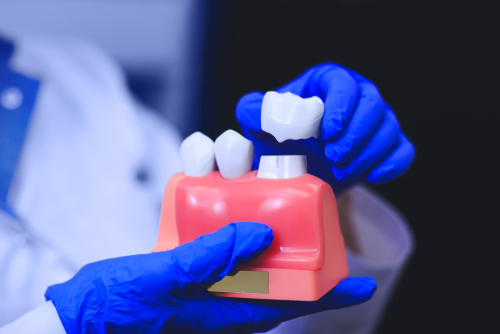
A dental crown commonly referred to as a cap is a type of dental restoration that is used to cover and safeguard a tooth that has been broken, decaying, or otherwise compromised. Crowns can be manufactured specifically to match the color and shape of a person’s natural teeth out of a range of materials, including metal, porcelain, or a combination of both.

When a tooth has sustained damage that cannot be fixed by a filling or another kind of dental treatment, crowns are often employed. They can be applied to strengthen teeth damaged or weakened by decay, protect teeth that have undergone root canal therapy, or enhance the appearance of teeth that are malformed or discolored. A dental bridge, a form of dental repair used to replace lost teeth, can also be supported by crowns.

A dental crown typically requires two appointments to complete the treatment. After removing any damaged or decaying portions, the dentist will shape the remaining tooth structure to accommodate the crown at the initial session. The dentist will then record the prepped tooth and the teeth around it to craft a crown that will suit the patient’s mouth securely and comfortably.

The prepared tooth will be covered with a temporary crown between the first and second consultations to safeguard it and enable typical biting and chewing. The permanent crown will be positioned and cemented into place during the second visit once the temporary crown has been removed. The crown will then be fitted and bitten by the dentist to make sure it is secure and working properly. If you need a crown, please go to: https://meadowbrookfamilydental.com

Dental crowns can be made from a variety of materials, such as the following:

Metal: Metal crowns are recognized for their sturdiness and strength and are often composed of gold or a combination of metals. They are frequently applied to molars or teeth that withstand strong chewing forces.

Because porcelain crowns can be specially created to match the color and translucency of a person’s natural teeth, they are quite popular. They are frequently utilized for front teeth that show when you smile.

Porcelain-fused-to-metal (PFM) crowns: PFM crowns combine porcelain and metal for strength and durability and the aesthetic appeal of porcelain crowns.

Zirconia: Zirconia crowns are sturdy and long-lasting ceramic material that may be specially matched to a person’s natural teeth’ color and translucency. They are a well-liked alternative to porcelain and metal crowns.

It is significant to remember that dental crowns eventually need to be replaced because they are not enduring. A crown’s lifespan might vary based on the material chosen, where it is placed in the mouth and the wearer’s oral hygiene habits. Dental crowns, on the other hand, can prolong the life of a person’s smile and enhance both its health and look by taking good care of them.

As a kind of dental restoration, dental crowns can be used to safeguard and enhance the health and aesthetics of teeth that are broken, decaying, or otherwise compromised. Crowns can be constructed to match the color and shape of a person’s natural teeth using a range of materials, including metal, porcelain, PFM, or zirconia. Two appointments are usually required for the dental crown procedure, and a temporary crown is usually put on the prepared tooth in-between visits. Dental crowns can enhance one’s health and attractiveness and endure for many years with proper care.

How to treat Gum Disease?

Gum therapy is a crucial component of oral health that aims to enhance a person’s gums’ health and appearance. Gum treatment comes in a variety of ways, from straightforward scaling and root planing to more complex operations like gum surgery. To guarantee the greatest results, it is imperative to seek the care of a qualified dental practitioner, regardless of the type of treatment required.

Scaling and root planing, sometimes called deep cleaning, is one of the most popular methods of treating gum disease. Plaque and tartar accumulation below the gum line is removed, and the roots of the teeth are smoothed to avoid further accumulation. Gum disease is a dangerous and painful oral health issue that can cause tooth loss. It is caused by plaque and tartar buildup. Scaling and root planing can assist in enhancing gum health and stopping the spread of gum disease.

Another typical method of treating gum disease is gum contouring or reshaping. This surgery is used to smooth out the gum line or remove extra gum tissue to improve the appearance of a “gummy” grin. Lasers are frequently used for the operation since they are less invasive and enable speedy and efficient results. In addition, gum contouring makes the gums appear more visually pleasant, which improves the smile’s appearance.

Gum disease may be present in some instances, necessitating more sophisticated therapy. The use of antibiotics can treat bacterial infections and lessen gum irritation. Additionally, laser therapy can be utilized to get rid of infected tissue and encourage recovery. In order to eliminate pockets of germs that have developed between the gums and teeth or to repair damaged gum tissue, gum surgery may be required if gum disease is more advanced.

It’s crucial to remember that a qualified dental practitioner should always administer gum therapy. To keep your mouth healthy, see the dentist often for cleanings and checkups. If you have gum disease, you should get treatment as soon as you can to stop it from getting worse.

There are actions people can take to maintain healthy gum health in addition to expert therapy. Gum disease and poor gum health can be avoided and maintained by brushing and often flossing, maintaining a balanced diet, and abstaining from tobacco products.

It is impossible to overestimate the significance of gum therapy. Gum health is crucial for supporting teeth and preserving overall oral health. Gum therapy can assist in stopping gum disease, enhancing dental health, increasing self-esteem, stopping tooth loss, and improving general health. People may make sure that their gums get the treatment they require to stay healthy and appealing by selecting a qualified dental practitioner for gum care.

Finally, gum care is a crucial component of dental health that shouldn’t be disregarded. Choose a qualified dental practitioner who can give you the care you need to keep healthy gums and a beautiful smile, whether you require a deep cleaning, gum contouring, or more advanced treatment for gum disease. In addition, a balanced diet, regular dental checkups, and good oral hygiene habits can support healthy gums and guard against oral health issues.

Cosmetic Dentistry

Cosmetic dentistry improves a person’s teeth, gums, and bites. In addition, cosmetic dentistry boosts confidence and self-esteem by creating a beautiful, natural-looking smile. It has become more economical and accessible thanks to developments in technology and procedures.

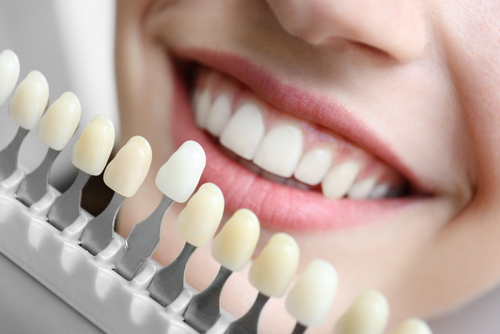
Cosmetic dentistry’s most popular procedure is teeth whitening. It lightens teeth through gels, trays, or lasers. Teeth whitening is a simple, non-invasive process that can substantially improve a smile. Some people utilize at-home whitening kits, while others get their teeth professionally whitened.

Cosmetic dentistry also uses veneers. Porcelain or composite veneers are thin shells placed over the teeth to improve their appearance. Discoloration, chipping, gaps, and malformed teeth can be fixed using veneers. A dental glue bonds veneers to each tooth.

Another aesthetic dental option is bonding. A tooth-colored composite substance is applied to the teeth during bonding. The material is shaped and sculpted to match the surrounding teeth. Chips, cracks, gaps, and discolouration can be fixed by bonding.

Reshaping, also known as contouring, is a cosmetic dental operation that removes small pieces of enamel changes tooth shape. Minor cosmetic dental abnormalities like slightly crooked or overlapping teeth can be fixed with reshaping. It’s fast, painless, and can improve teeth look.

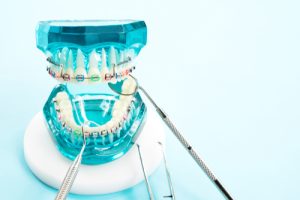
Braces can also improve teeth look. Braces can fix overcrowding, misaligned teeth, and bite disorders. Many people now wear glass or ceramic braces instead of metal ones. Invisalign, which utilizes clear plastic aligners to straighten teeth, is another popular alternative.

Dental implants can also improve tooth aesthetics. Titanium screws are implanted into the jawbone to support replacement teeth. A crown, bridge, or denture is custom-made to match the surrounding teeth’s color and shape. Dental implants can permanently replace lost teeth and improve a person’s smile.

Cosmetic dentistry can improve a person’s smile, but it may not address dental health issues like tooth decay or gum disease. Therefore, before any cosmetic dental surgery, a full dental exam and consultation should be done to address underlying dental health issues.

However, cosmetic dentistry should only be performed by a licensed and skilled dentist, and it should not replace routine dental care. Maintaining good oral health requires regular dental checkups and cleanings, regardless of cosmetic considerations.

In final thoughts, it has come a long way in recent years, and many options are available for people who want to improve their smile. Whether you want to address discoloration, misalignment, or other cosmetic issues, cosmetic dentistry can help you achieve the smile you’ve always wanted. First, however, it is important to choose a licensed and experienced cosmetic dentist and to maintain good oral health through regular dental check-ups and cleanings.

Additionally, it’s important to have realistic expectations and to understand that cosmetic dental procedures can enhance your smile, but they are not a substitute for good oral hygiene practices. Nevertheless, with the right care and attention, you can enjoy a beautiful, healthy smile that will last a lifetime.

Benefits of Invisalign

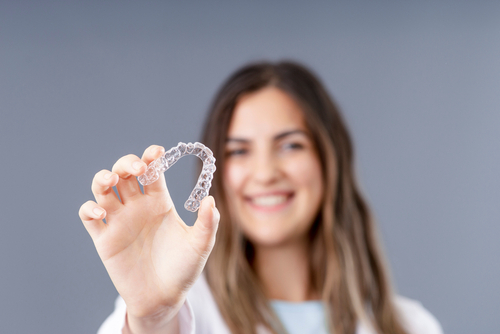
A common orthodontic procedure called Invisalign uses transparent, removable aligners to straighten teeth and correct bite issues. Invisalign aligners are nearly invisible, unlike conventional braces, making them a discreet and comfortable alternative to conventional orthodontic procedures.

During the Invisalign procedure, patients wear personalized aligners intended to gradually move their teeth into the desired position. The clear, medical-grade plastic used to make the aligners was created to be comfortable to wear and match the teeth’ colour. The next set of aligners is then worn by the patient for around two weeks, progressively moving their teeth into their final positions.

One of its main advantages is that Invisalign is an almost undetectable orthodontic option. The translucent material used to create the clear aligners makes them almost undetectable when worn, making them a popular option for adults and teenagers who wish to straighten their teeth without wearing traditional braces. This may be especially enticing for professionals who wish to keep up their professional appearance while receiving orthodontic treatment.

Invisalign is a completely invisible orthodontic treatment solution that is also comfortable. Invisalign aligners are smooth and custom-fit, making them easy to wear for extended periods of time in contrast to traditional braces, which can irritate and cause discomfort. Patients also gain from the ability to take off their aligners for eating, brushing, and flossing, improving oral hygiene.

Depending on the tooth issue’s severity, the Invisalign treatment process might last anywhere from 12 to 18 months. Patients must visit their orthodontist for routine checkups throughout this time to monitor the course of their treatment and to obtain new aligners as necessary. Additionally, the orthodontist will give advice on how to maintain the aligners so that they continue to function properly and stay in position.

A specialized orthodontist often administers Invisalign treatment. After graduating from dentistry school, orthodontists complete an additional two to three years of study to specialize in this area, making them experts in identifying and correcting dental issues. The orthodontist will check the patient’s teeth and bite, take x-rays, and talk to them about their treatment objectives at the initial appointment. Based on this data, the orthodontist will design a personalized treatment plan and utilize cutting-edge technology to produce a 3D digital model of the patient’s mouth so they can visualize the outcome in advance.

Depending on the length of the procedure and the severity of the tooth issue, the cost of the treatment varies. A percentage of the cost of Invisalign treatment could be covered by insurance coverage, and a dental loan or payment plan frequently finances the procedure. Additionally, many orthodontists provide financing alternatives, which makes it simpler for patients to pay for treatment.

Invisalign, a well-liked and successful orthodontic procedure, employs transparent, removable aligners to straighten teeth and correct bite issues. For those looking to enhance the appearance and functionality of their teeth, it is a popular alternative thanks to its nearly invisible appearance, comfortable fit, and versatile treatment options. Make an appointment with an orthodontist right away if you’re interested in finding out more about Invisalign and whether it’s appropriate for you. You can enjoy the many advantages of orthodontic treatment and get a straighter, more appealing smile with the assistance of a skilled orthodontist.

What is Orthodontics?

Orthodontics is a subspecialty of dentistry focusing on restoring facial symmetry, correcting bad bites, and straightening teeth. It includes using braces, retainers, and other dental equipment to address dental issues and enhance a person’s smile’s overall look and functionality.

People with crowded or misaligned teeth, overbites, underbites, crossbites, and open bites are typically advised to get orthodontic treatment. These issues not only influence how someone looks when they smile but can also cause speech impairments, trouble biting and chewing, and a higher risk of dental decay and gum disease.

The most popular orthodontic device is a brace, and it works by continuously exerting light pressure on teeth until they move into the proper position. Traditional metal braces, ceramic braces, lingual braces, and clear aligners are just a few of the several types of braces offered. The choice with the highest visibility is traditional metal braces, however, ceramic and lingual braces could be clearer. Clear aligners can be taken out for eating, brushing, and flossing and are essentially unnoticeable.

Orthodontics offers numerous benefits to individuals seeking to improve the appearance and function of their teeth. Some of the key benefits of orthodontic treatment include the following:

  1. Improved oral health: Orthodontic treatment can correct misaligned or crowded teeth, leading to tooth decay, gum disease, and other oral health problems. By straightening teeth, orthodontic treatment can improve oral health and reduce the risk of future dental problems.
  2. Improved appearance: Orthodontic treatment can straighten teeth, close gaps, and improve facial symmetry, resulting in a more attractive and confident smile.
  3. Improved speech: Orthodontic treatment can correct bite problems and jaw misalignment, improving speech and making it easier to articulate words clearly.
  4. Increased self-esteem: A straighter, more attractive smile can boost self-confidence and self-esteem, making them feel better about themselves.
  5. Better oral function: Orthodontic treatment can improve bite and jaw alignment, making it easier to bite and chew food. This can improve oral function and make eating a more enjoyable experience.
  6. Long-term benefits: Orthodontic treatment provides long-lasting benefits, as corrected teeth are less likely to return to their original position. Proper oral hygiene and regular check-ups with the orthodontist can help ensure the longevity of the orthodontic treatment.

In orthodontic therapy, retainers are also used to keep teeth in their proper positions after braces are taken off. Usually composed of plastic or metal, they are worn at night or for a set period of time each day.

Depending on the dental issue’s severity, orthodontic therapy can take several months to several years. Therefore, it is vital to visit the orthodontist frequently to monitor the course of treatment and have the appliance adjusted as needed.

Other orthodontic devices besides braces and retainers include headgear, used to exert additional pressure on the teeth, and functional appliances, designed to treat jaw growth issues.

A trained orthodontist often administers orthodontic care. After graduating from dentistry school, orthodontists complete an additional two to three years of training. Then, they can offer customized treatment plans to match each patient’s unique needs because they are professionals at identifying and treating dental issues.

Depending on the type of appliance used and the length of therapy, orthodontic treatment costs can vary. Orthodontic treatment can frequently be financed through a dental loan or payment plan, and insurance policies might cover a portion of the cost.

A valuable investment in a person’s dental health and looks is orthodontic treatment. Correcting dental issues can help people feel more confident and self-assured, and a straighter, more appealing smile can also help people avoid future oral health issues.

In conclusion, orthodontic treatment offers numerous benefits to individuals seeking to improve the appearance and function of their teeth. Whether you’re looking to boost your self-esteem, improve your oral health, or achieve a straighter, more attractive smile, orthodontics can help.

Why should you take your kids to a Pediatric Dentist?

Pediatric dentistry is a specialized field that focuses on children’s oral health from infancy to adolescence. Pediatric dentists are specially trained to understand young patients’ unique needs and concerns and provide comprehensive dental care in a fun, friendly, and supportive environment.

For children to lay a solid foundation for a lifetime of healthy teeth and gums, they must visit a pediatric dentist as soon as possible. Good oral health practices can be developed from an early age. By the time they turn one or within six months of their first tooth growing, children should visit a pediatric dentist, according to the American Academy of Pediatrics.

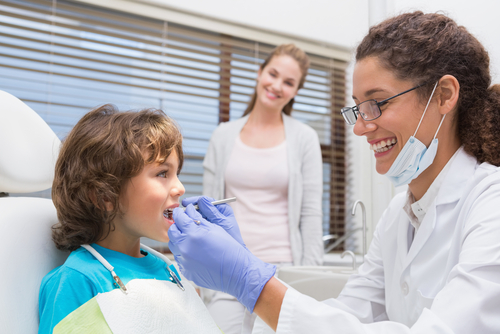
A pediatric dentist’s initial encounter with a child is an opportunity for the dentist to get to know the child and for the child to become accustomed to the dental office and the concept of dental appointments. The dentist will do a thorough oral examination during this initial visit, including a visual inspection of the child’s teeth and gums and a talk with the parents about the child’s oral health history and any potential concerns they may have.

Pediatric dentists have received special training to handle the special requirements and worries of young patients, including problems with tooth development, teething, and thumb sucking. Additionally, they can offer preventive care, such fluoride treatments, dental cleanings, and dental sealants, to help shield baby teeth from illness and decay.

Pediatric dentists are qualified to treat a variety of dental issues, such as cavities, gum disease, and bite issues, in addition to providing preventive treatment. To enhance the oral health of their young patients, they can carry out straightforward procedures like fillings and extractions and more involved ones like orthodontic treatment.

The necessity of teaching kids and their families about good oral health practices and how to sustain them is one of the most crucial components of pediatric dentistry. Children can learn from pediatric dentists the necessity of routine dental checkups, the advantages of brushing and flossing, and the risks associated with eating meals high in sugar and acid. They can also give parents information and advice on how to assist their kids’ dental health at home.

Pediatric dentists are taught to make the experience as relaxing and stress-free as possible because they know that young patients may feel worried or nervous about dental visits. To make kids feel comfortable and confident about their dental care, they employ gentle techniques, interactive equipment, and a fun and cheerful manner.

The dental health of kids from infancy to puberty is the main emphasis of pediatric dentistry, a significant and specialized area of dentistry. Pediatric dentists are prepared to accommodate young patients’ special requirements and worries and deliver thorough dental care in a cheerful, welcoming, and encouraging setting. To lay a solid foundation for a lifetime of healthy teeth and gums, children should visit a pediatric dentist as soon as possible to develop good oral health practices. In addition, children can acquire the knowledge and habits required to keep a healthy and attractive smile for years to come with the proper dental care and education.